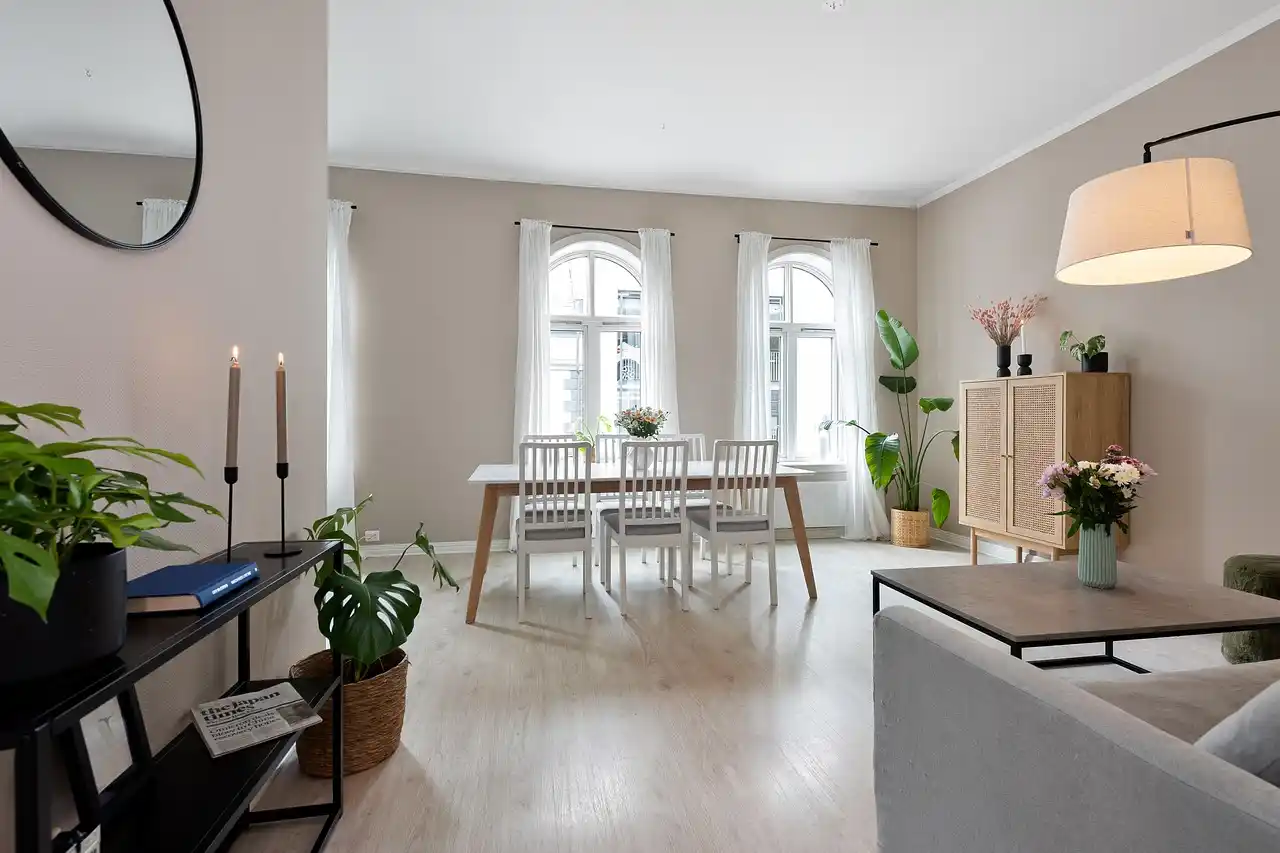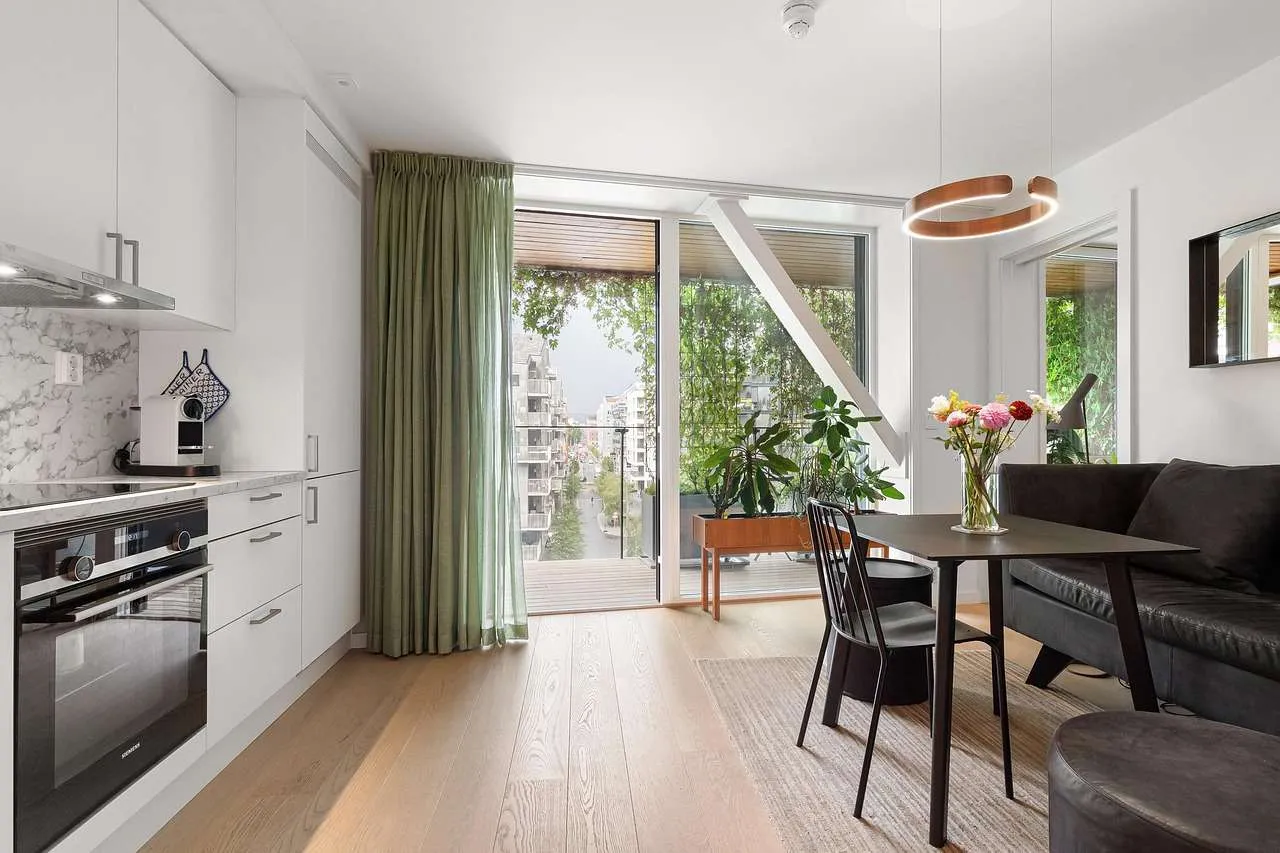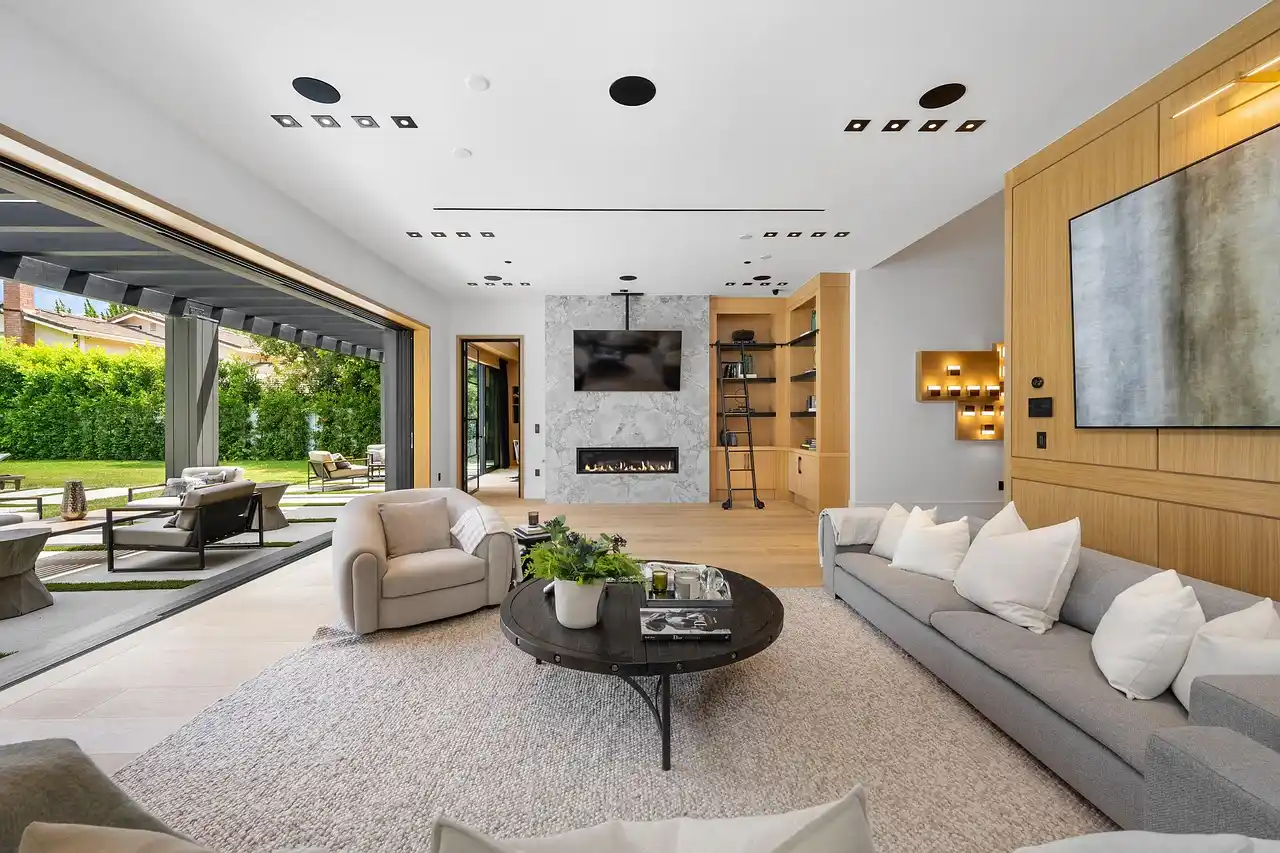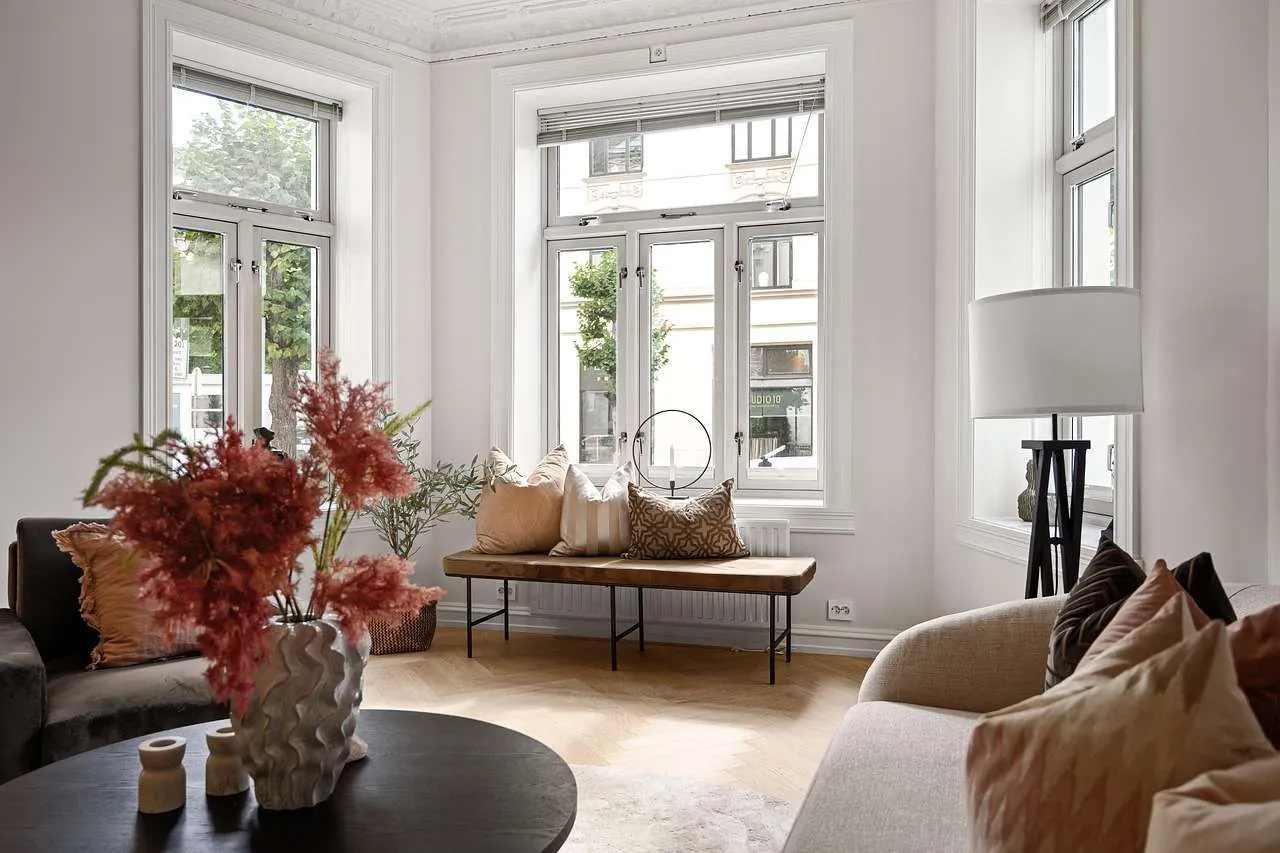
What is Home Window Tint?
Home window tint refers to a thin film applied to glass surfaces to control sunlight, heat, and glare. Modern films use advanced polymers and coatings to block ultraviolet (UV) rays, reduce solar heat gain, and enhance privacy, all while preserving visibility. For homeowners, a quality tint can improve comfort, protect furnishings from fading, and lower energy costs when paired with efficient glazing and proper installation.
Types of Home Window Tint
Choosing the right film depends on goals, climate, and budget. Here are the main categories you will encounter:
Dyed Films
Dyed films are price-friendly and offer good glare reduction and privacy. They absorb heat and light, but over time they may show color shift or fade and can be less effective at heat rejection than higher-end options.
Metalized (Reflective) Films
Metalized films reflect a portion of solar energy and can provide strong heat rejection and increased privacy. They may interfere with electronics like GPS, smartphones, or car keys when used on vehicles or in some building designs; modern installations mitigate many of these concerns but it’s a factor to review with your installer.
Ceramic Films
Ceramic films are among the highest performing in terms of heat rejection and UV blocking, without conductive metal. They preserve true color, resist fading well, and are less prone to interference with electronics. They tend to cost more but offer superior long-term value.
Hybrid Films
Hybrid films combine dyed and ceramic components to balance cost and performance. They offer decent UV protection, good glare reduction, and moderate heat rejection without the premium price of full ceramic films.
Benefits of Home Window Tint
- UV protection: Blocks up to 99% of harmful UV rays, protecting skin and furnishings.
- Energy savings: Reduces solar heat gain, easing cooling loads in hot climates and improving year-round comfort.
- Glare reduction: Improves screen readability and reduces eye strain on televisions, computers, and dashboards.
- Privacy and safety: Enhances interior privacy during the day and helps hold shattered glass together in impact events.
- Preserves interior aesthetics: Slows fading of furniture, fabrics, and artwork while maintaining exterior appearance.
Considerations Before Installing
Before committing to a tint, homeowners should consider climate, existing glazing, and any building codes or HOA rules. Some regions require a minimum or maximum VLT (Visible Light Transmission) or limit reflective coatings on street-facing windows. It’s also important to think about warranty coverage, film life expectancy, and potential interference with smart home devices or sun sensors. A reputable installer will evaluate window type (single, double, or low-E glass) and propose films that won’t void warranties or cause bonding issues.
Installation Options
Professional Installation
Professional installers ensure correct measurement, cleaning, and precise application to reduce air pockets and black specks. They typically offer warranties ranging from 5 to 15 years, and can handle tricky edges, curved panes, and large projects. While the upfront cost is higher, the results are usually more durable and aesthetically consistent.
DIY Window Tinting
DIY kits are available for small projects or as a learning step. This option is usually cheaper per square foot but requires careful surface preparation, cleaning, alignment, and careful trimming. Mistakes can cause bubbling, orange peel, or edge peeling, which may be difficult to repair and could void manufacturer warranties.
Cost and ROI
Costs vary by film type, thickness, and window size. Typical residential tint costs range from $5 to $15 per square foot for film, plus an additional installation fee if you hire a pro. Ceramic and high-performance films sit toward the upper end of that range but often deliver greater energy savings, longer warranties, and better long-term durability. ROI comes from reduced cooling costs, less glare, and slower furniture fading, especially in sunny rooms or larger homes in warm climates.
Maintenance and Care
Maintenance is generally straightforward. Clean with a soft cloth and a non-ammonia, non-abrasive cleaner. Avoid alcohol-based products that may degrade some films over time. For best results, follow the manufacturer’s care instructions and schedule periodic inspections to ensure edges remain sealed and there are no signs of bubbling or peeling.
Comparison: Untinted vs. Tinted Windows
| Feature | Untinted | Tinted |
|---|---|---|
| UV Rejection | Low | High to Very High |
| Heat Reduction | High solar heat gain | Significant reduction |
| Glare | High glare in sunlit rooms | Reduced glare |
| Privacy | Low | Low to high depending on tint level |
| Maintenance | Low effort | Similar to untinted with film care |
| Cost | None for basic glazing | Film + installation |
Choosing a Reputable Installer
Trustworthy installation partners are licensed where required, carry standard industry certifications, and provide written warranties. Ask for before/after photos, samples of the exact film you’ll receive, and a clear measurement and warranty document. Check reviews and request references from other homeowners. A good installer will explain film specifications (UV rejection, SHGC, VLT), show you a live demonstration, and assess your glazing for compatibility with existing window frames and sealants.
Frequently Asked Questions
Q: Will tinting my windows ruin my view? A: Quality films preserve visibility while reducing glare, but very dark tints can slightly dim the interior. Choose a transmission level that fits your comfort and legal guidelines.
Q: Does tinting affect window warranties? A: Some glass manufacturers require specific film types or installation methods. Always confirm compatibility with your glass and frame warranties before proceeding.
Conclusion, selecting the right home window tint involves understanding film types, assessing climate needs, evaluating installation options, and choosing a reputable installer. With proper care, tinting can deliver privacy, UV protection, energy savings, and long-term interior protection, making it a prudent investment for many homes.