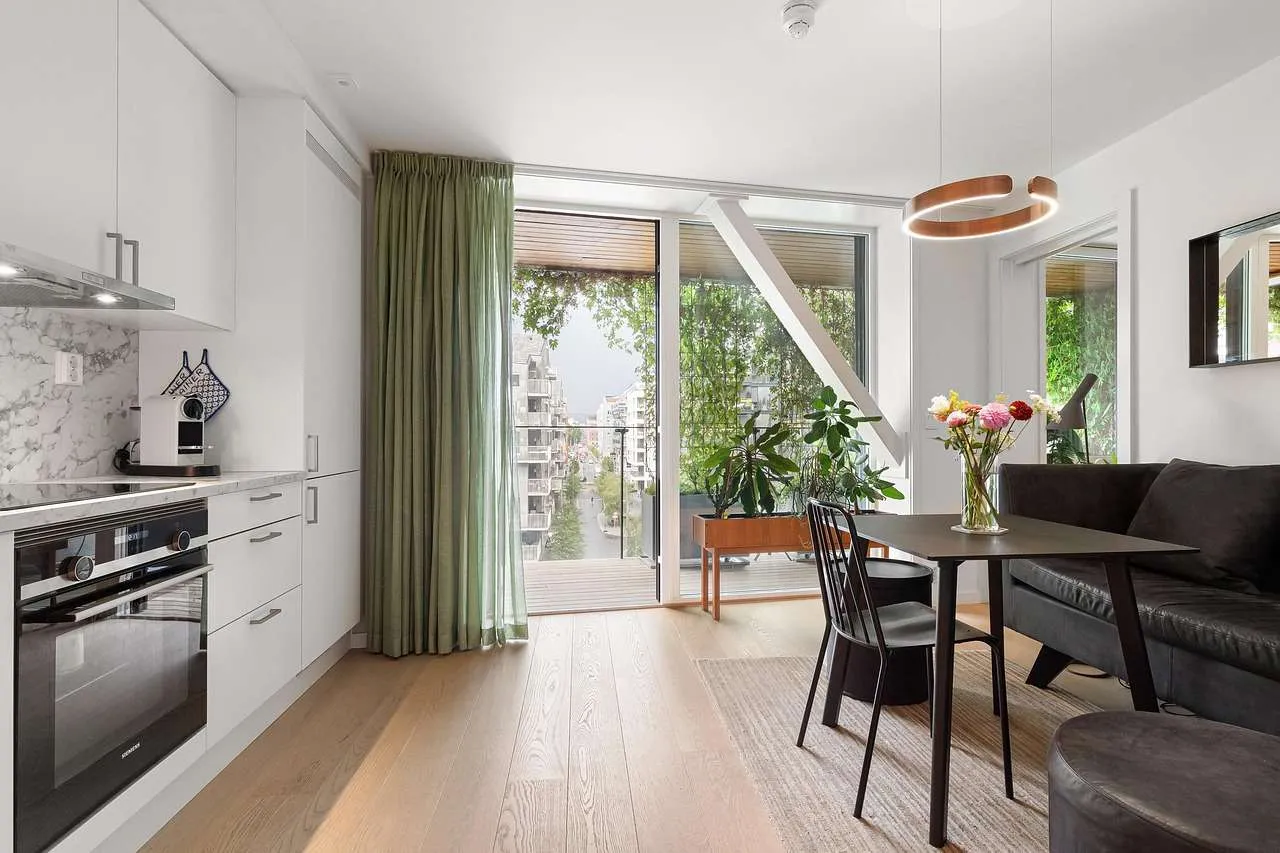
Finding a reliable 'home window tinting near me' service starts with local expertise and transparent practices. This guide explains how to evaluate options, understand film types, and ask the right questions to ensure safety, energy savings, and lasting results.
Why choose local home window tinting near me
Local installers know regional climate, building codes, and neighborhood aesthetics. They offer quick service, in-person evaluations, and easier warranty handling. Look for a business that has been operating in your area for several years, provides a valid business license, and presents clear, written warranty terms.
What are the benefits?
- UV protection: Many window films block up to 99% of UV rays, protecting furniture and skin.
- Energy efficiency: Heat reduction lowers cooling costs in hot months.
- Privacy and glare: Tints reduce visibility from outside while maintaining interior lighting quality.
- Safety and security: Some films hold shattered glass together after impact.
- Aesthetic customization: Films come in various shades and finishes to match style.
Film types to consider
Understanding film types helps you balance performance and budget. Here is a quick comparison:
| Type | UV rejection | Heat rejection | Privacy | Durability | Typical cost | Notes |
|---|---|---|---|---|---|---|
| Dyed | Low | Medium | Low-Moderate | Low | $2-$4/ft² | Affordable; may fade over time |
| Metalized | High | High | Medium | Medium-High | $3-$6/ft² | Good solar control; may affect electronics |
| Ceramic | Very High | High | Medium | High | $6-$12/ft² | Clearer views; non-metallic |
| Carbon | High | High | Medium-High | High | $4-$8/ft² | Balanced performance, lower glare |
| Laminated | Very High | Very High | High | Very High | $7-$12/ft² | Extra safety; premium option |
How to choose a local installer near me
Look for installers who publish warranties, offer third-party attestations (for example, IWFA certification), and provide a written quote with film specifications. Read customer reviews, ask for before/after photos, and request in-person demonstrations if possible. Confirm licensing and insurance so you are protected in case of mishaps during installation.
What to expect during installation
A typical residential window tinting session includes a site assessment, film measurement, window cleaning, film cutting, and heat-forming to fit curved or complicated panes. Most homes require 2-4 hours per room, with larger or multiple-story homes taking longer. A professional crew may need a full day for a large house. Expect a curing period; avoid rolling down windows for 3-5 days to ensure film adheres properly.
Questions to ask your local tinting pro
- What film type do you recommend for my climate and windows?
- Do you offer IWFA-certified or manufacturer-backed warranties?
- What is the total installed cost, including any edge trim or warranty?
- Can you provide a written measurement and timeline?
- Do you guarantee no adhesive bubbling or yellowing within the first year?
Comparison and summary
Selecting a window tint near me is about balancing performance, budget, and trust. Higher-end films such as ceramic or laminated options deliver the best long-term energy savings and safety features, while dyed or metalized films offer more budget-friendly choices. A reputable installer will explain film performance in measurable terms like UV rejection and visible light transmission (VLT), show you samples, and provide a transparent warranty.
Summary: To sum up, choosing a local, licensed home window tinting near me provider with clear warranties, proven film performance, and strong customer reviews leads to better energy savings, UV protection, privacy, and long-term value.